One Collection, Ten Thousand Years: Ancient Architecture Is China's Living Epic
Chinese ancient architecture is the material embodiment and spiritual symbol of Chinese civilization, serving as a living testament to its enduring cultural lineage. From the raised wooden structures of Hemudu to the majestic palaces of the Ming and Qing dynasties, from grand imperial temples to exquisite gardens and residential homes, Chinese architecture stands among the world's great architectural traditions through its unique construction techniques, comprehensive regulatory systems, and profound cultural significance. The Beijing Ancient Architecture Museum, anchored by the National Heritage site of the Altar of Agriculture, preserves invaluable remnants of China's architectural evolution. It unifies ritual order, philosophical thought, aesthetic sensibilities, and master craftsmanship into one cohesive narrative, encapsulating the architectural development timeline from the Pre-Qin period through the Ming and Qing dynasties.
Here, every structure carries the memory of history, and each design element reflects our cultural DNA—vividly affirming that "historical and cultural heritage embodies the genes and bloodline of the Chinese nation." As the sacred site where emperors of the Ming and Qing dynasties sacrificed to Shennong (the Divine Farmer) and personally plowed ritual fields, its architectural layout strictly adheres to traditional rites. Aligned with Beijing's central axis, it embodies both the cultural tradition of "revering heaven and honoring ancestors" and the governing philosophy of "the people as the foundation of the state." Exploring this space allows you not only to appreciate the beauty of its architecture but also to connect with the spiritual roots of Chinese civilization and experience the profound depth of China's excellent traditional culture.
Crafting the Ultimate Realm: The Three Highest Realms of Chinese Architectural Aesthetics
The beauty of Chinese architecture lies not in a single form, but in the perfect harmony of exquisite craftsmanship, rigorous standards, and profound artistic conception—truly the pinnacle of Chinese aesthetics. This beauty is embedded in every detail and woven into the cultural heritage, revealing its unique charm through millennia of refinement.
The beauty of Chinese architecture lies in its form, which embodies ritual order and the unity of heaven and humanity. Centered on a central axis and balanced through symmetry, it emphasizes clear hierarchy, distinct separation between inner and outer spaces, and structured harmony—giving tangible expression to the spirit of "Li" (ritual). Whether in the solemn grandeur of imperial temples or the layered elegance of traditional courtyards, these designs reflect social ethics rooted in the integration of family and state, and respect for hierarchical order, showcasing China's unique sense of order. At the same time, Chinese architecture upholds the philosophical ideal of "unity between heaven and humanity," seeking harmony between built structures and nature. Buildings are designed to follow the land, settle by water, and incorporate natural scenery into artistic compositions—not attempting to dominate nature, but instead responding to and aligning with it. This design philosophy merges the laws of cosmic movement with human ethical order, achieving both functional utility and aesthetic excellence while expressing China's distinctive vision of harmony.
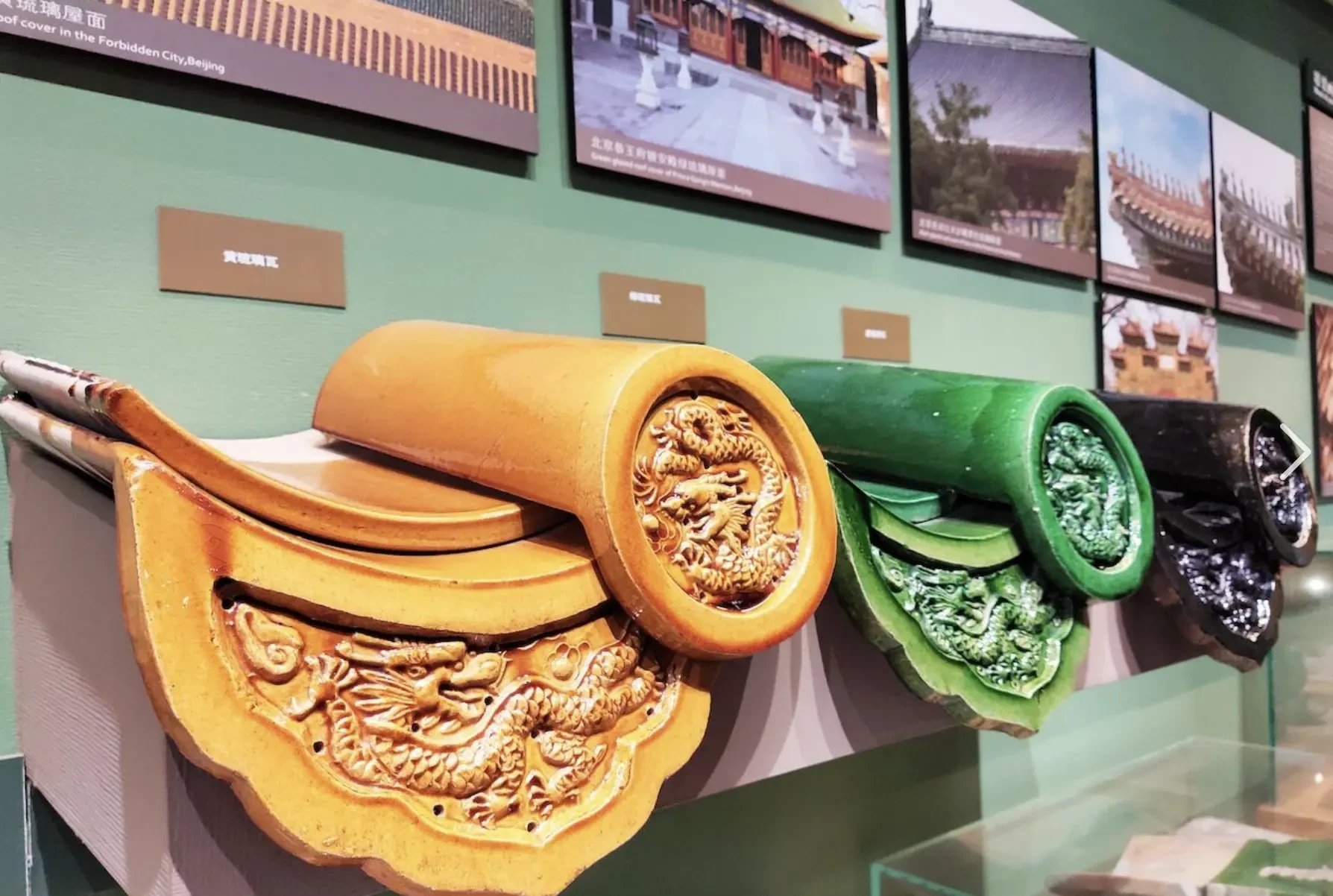
The beauty of Chinese architecture is rooted in the intricate artistry of mortise-and-tenon joinery and the spirit of craftsmanship. Traditional Chinese structures are built with wood and joined using mortise-and-tenon connections, requiring no nails or rivets yet standing firm for millennia—a true marvel in world architectural history. Within museums, components such asDougong brackets, beams, and caissoned ceilings showcase the mastery of this traditional building technique. Dougong layers interlock to support eaves and distribute loads; they are both a structural feat and an ornamental masterpiece, with each joint fitted with precision. Caissoned ceilings rise gracefully like canopies, adorned with celestial motifs and auspicious creatures, embodying the cosmos and human sentiment. Soaring eaves curve upward, enhancing drainage and light while lending the building a dynamic elegance that symbolizes aspiration and progress. From the systematic codification in the Northern Song Dynasty's "Yingzao Fashi" to generations of artisans passing down skills through oral tradition and relentless refinement, Chinese craftsmanship embodies the spirit of dedication. Every chisel mark, every grain of wood, every brick and tile reflects meticulous skill. This pursuit of "craft approaching the Dao" breathes warmth and life into what might otherwise be cold timber and earth.
The beauty of Chinese architecture is elevated by the interplay of void and form, embodying a dynamic spirit. Unlike Western architecture, which emphasizes solid mass and outward grandeur, Chinese design prioritizes negative space, artistic conception, and spiritual resonance to achieve an aesthetic where "words end but meaning lingers." Intricately carved window lattices create shifting views—leaking light without fully revealing, offering subtle elegance that seamlessly blends outdoor scenery indoors, realizing the principle of "a new scene with every step, moving with the viewer." Deep courtyards winding through secluded paths balance concealment and revelation, cultivating a lingering, reserved Eastern charm. Ornate beams and painted eaves carry auspicious symbolism; through imagery and artistry, they integrate motifs of flora, fauna, landscapes, figures, and traditional patterns into architectural decoration. This not only showcases master craftsmanship but also conveys core values of China's rich cultural heritage. Such aesthetic ideals are rooted in classical poetry, painting, and opera, together forming the unique spiritual world of the Chinese nation.
Timeless Heritage: The Cultural Legacy Preserved in Ancient Architecture
Architecture is frozen culture; culture is flowing architecture. The Beijing Ancient Architecture Museum showcases not only the aesthetic heights of Chinese architecture but also the profound depth of China's cultural heritage. We must carry forward this cultural lineage, strengthen our cultural confidence, and promote the creative transformation and innovative development of excellent traditional Chinese culture. As irreplaceable cultural treasures, ancient buildings are vital carriers for transmitting this heritage. The cultural codes embedded within them deserve to be deeply explored and passed down through generations.
From a philosophical perspective, ancient architecture embodies the principle of "unity between heaven and humanity and harmonious coexistence," offering valuable insights for managing our relationship with nature. In terms of values, its symmetrical axial layout and hierarchical courtyard structures subtly convey the value orientation of aligning family and state. Regarding craftsmanship, ancient architecture reflects the spirit of "pursuing excellence and upholding integrity while innovating." Generations of artisans have dedicated themselves to refining their skills, preserving traditional construction techniques while continuously optimizing them to meet contemporary needs. These cultural connotations are not only core components of China's excellent traditional culture but also a profound source for nurturing socialist core values.
One collection spanning a millennium, connecting past and present. General Secretary Xi Jinping has repeatedly emphasized the need to cherish and respect ancient buildings, historic homes, and old streets. Stepping into the Beijing Ancient Architecture Museum, we witness not only the pinnacle of Chinese architectural aesthetics but also the spiritual height of Chinese civilization. We must protect our historical heritage with reverence, promote traditional Chinese culture with dedication, and invigorate its living tradition through innovation—ensuring China's ancient architecture shines anew in this new era.