Recently, Xishuangbanna Wild Elephant Valley went viral for a sign that read "Poop Sold Here." The scenic area processes elephant dung into creative products such as notebooks, postcards, and plant-growing substrates. These items are odorless, have a fresh scent, and carry an educational message about environmental protection. This series of unconventional yet eco-friendly souvenirs has become a unique gift choice for tourists.
Wild Elephant Valley's recent surge in popularity wasn't a spur-of-the-moment novelty. Producing paper from elephant dung has been ongoing for years, while experiences like rainforest elephant herding and nature education programs were established long ago. Not all these initiatives may become viral hits, but they share a unified goal: transforming Asian elephant conservation, rainforest ecology, and local products into experiences visitors can enjoy, take home, and share. Thus, the elephant dung paper's breakout success appears to be due to its signature status on the surface, but it reflects Wild Elephant Valley's long-term commitment to refining cultural creative designs and enhancing visitor experiences.
"Elephant dung paper" has gone viral, hitting the nail on the head regarding visitors' fatigue with generic souvenir offerings. A domestic survey reveals that nearly half of consumers find local souvenirs too homogeneous and lacking authentic regional character.
Homogenization leads to aesthetic fatigue. What makes a great cultural tourism souvenir? The answer lies in true "local exclusivity," anchored by an irreplaceable cultural connection. When tourists buy one, they're not just purchasing an item—they're taking home a unique sense of cultural identity.
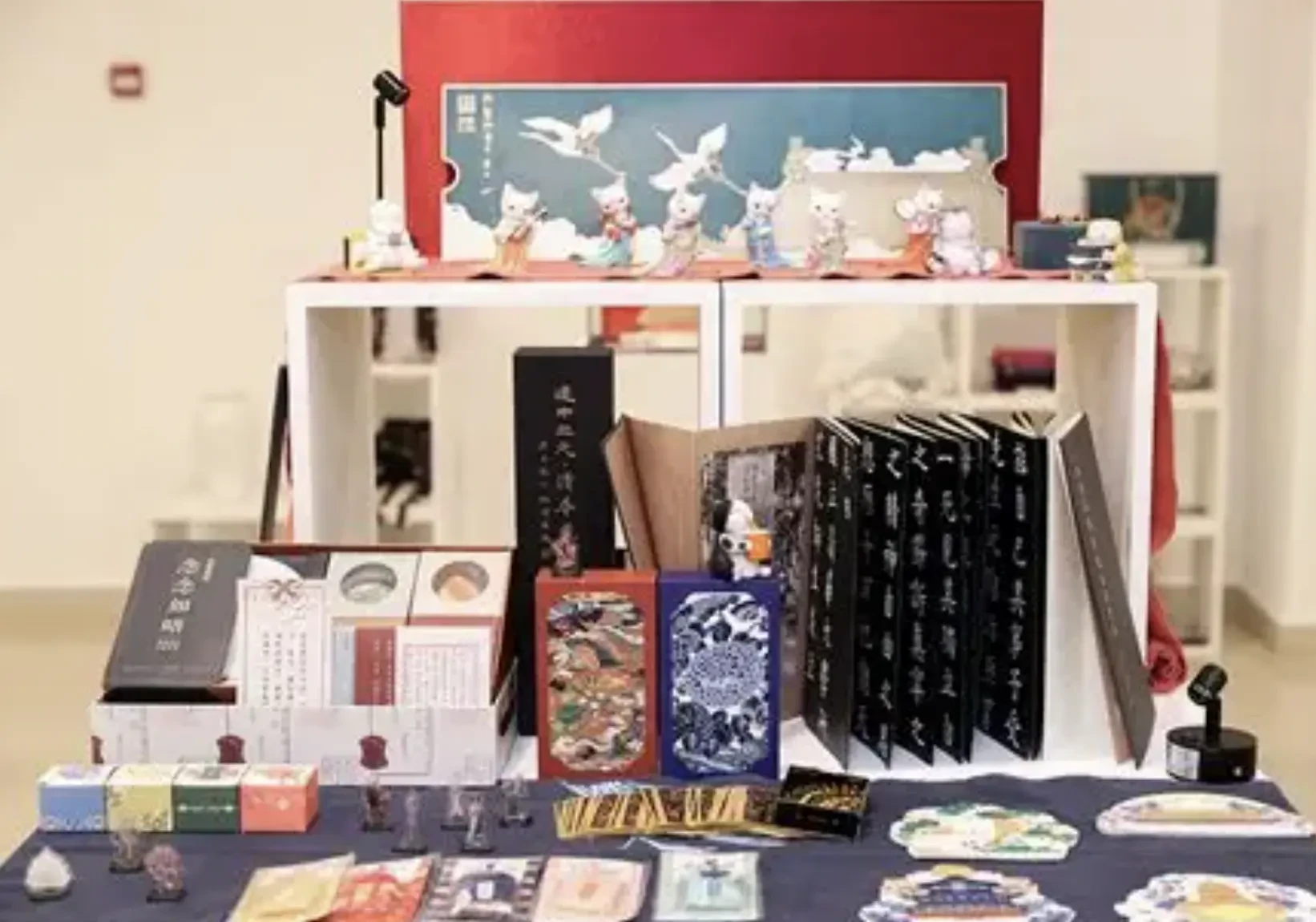
The National Museum's Fengguan cultural and creative products serve as a prime example. Inspired by the Ming Dynasty Empress Xiaoduan's Nine Dragons and Nine Phoenixes Crown, it quickly became a viral hit. As of 7 this year, Fengguan fridge magnets have sold over 340 million units, with total sales across the full product line exceeding 3 billion yuan, setting a new record for single-item and series-based cultural and creative merchandise sales at the National Museum in nearly 20 years.
Take the British Museum, for instance. Its "Anderson Cat" product line, inspired by ancient Egyptian bronze statues, spans a wide range of items including fridge magnets, keychains, backpacks, and umbrellas. An artifact from 600 BCE has thus become woven into everyday modern life.
The logic behind these cultural and creative hits is straightforward: transform items unique to a place into objects people want to use and take home. Phoenix crowns step out of display cases, Anderson cats travel from ancient Egypt, and elephants leave more than just footprints—they become fridge magnets, keychains, and canvas bags. What tourists buy isn't just a sense of "localness," but also a story they can share with others.
When a cultural creative product achieves these qualities, it transcends mass production to become a self-propagating cultural symbol.